beginner friendly techniques for successful concrete patching
Concrete patching may seem daunting for beginners, but with the right techniques and tools, it can be a straightforward process. Whether you are dealing with cracks, holes, or surface damage, the following beginner friendly techniques will help you tackle concrete repair projects with confidence.
Understanding the Types of Damage
Before starting any repair work, it is essential to assess the damage. Concrete can suffer from various issues, including hairline cracks, larger fissures, and significant holes. Understanding the extent of the problem will guide you in choosing the appropriate materials and techniques. Small cracks can often be filled with a simple epoxy or concrete filler, while larger issues may require more extensive patching materials.
Gathering Your Tools and Materials
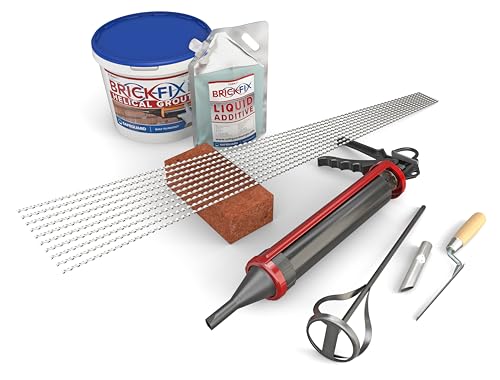
Having the right tools at hand is crucial for a successful concrete patching job. For most projects, you will need the following:
People Also Look For:
- Fischer 523856 Express Mortar Cement Grey
- Liquid Waterproof Sealant Clear 35oz, Endhokn Wall, Bathroom, Roof Indoor and Outdoor for Leaks Cracks Repair Water-Based Waterpro...
- 300g Invisible Waterproof Sealant, Anti-Leaking Clear Insulation Sealant Super Strong Anti-Leakage Agent, For Roof,Bathroom, Patio...
- Tool Depot® Caulking Kit, Silicone Sealant Finishing Set, Profiling and Sealing Tool for Sink Joint, Bathroom, Floor, Window, K...
- Waterproof Sealant Clear 2L(70 oz), Wadities Wall Bathroom Roof Water-Based Waterproof Coating, Invisible Repairing Leak Waterproo...
- Concrete patching compound
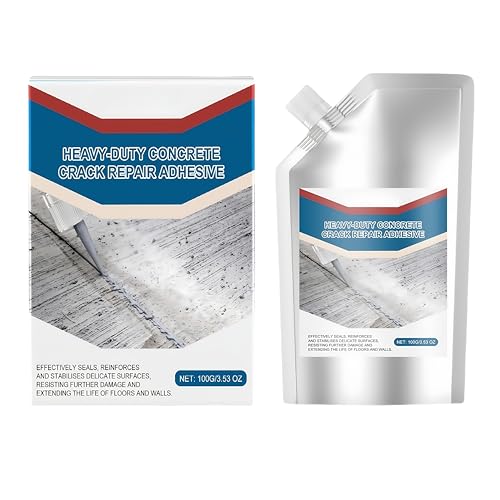
- Concrete adhesive
- Wire brush
- Putty knife or trowel
- Mixing bucket
- Safety goggles and gloves
Ensure that your tools are clean and ready for use. If working outdoors, check the weather forecast as concrete should not be applied in extreme conditions, such as freezing temperatures or heavy rain.
Preparing the Surface
The most critical step in concrete patching is preparing the surface. Start by cleaning the area thoroughly with a wire brush to remove any loose debris, dust, or dirt. If the damage is significant, consider using a chisel or hammer to widen the crack slightly, allowing for better adhesion of the patching material. After cleaning, dampen the area with water but avoid saturating it. This moisture helps the new material bond to the existing concrete.
Choosing the Right Patching Compound
There are various types of concrete patching compounds available, each designed for specific applications. For small cracks, a ready-to-use concrete filler is often sufficient. For larger holes or damaged sections, consider using a sand mix or a more robust patching compound that can be applied in layers. Always read the manufacturer’s instructions to ensure you are using the product correctly and to determine the drying and curing times.
Applying the Patching Material
Once your surface is prepared and you have selected the appropriate patching compound, it is time to apply it. Using a putty knife or trowel, apply the compound generously into the damaged area. Ensure that you press the material firmly into the crack or hole, filling it completely. For larger patches, consider applying the material in layers, allowing each layer to cure according to the manufacturer’s recommendations before applying the next one. Smooth the surface with your trowel to create an even finish, blending it with the surrounding concrete.
Finishing Touches
After your patching material has cured, it is important to finish the surface for aesthetic purposes and to ensure longevity. You can use a concrete sealant to protect the patch from moisture and wear. Depending on your project, you may also wish to stain or paint the patched area to match the surrounding concrete. Remember to follow drying times and application instructions for any finishing products.
Maintenance Tips for Longevity
To ensure your patched area lasts, regular maintenance is key. Keep the surface clean and free from debris. Check for any new cracks or damage periodically and address them promptly. If your concrete is exposed to harsh weather conditions, consider re-sealing every couple of years to maintain its integrity and appearance.