top 10 methods for effective concrete repair at home
Concrete is a durable material, but over time, it can develop cracks and other issues that may compromise its integrity and appearance. Whether you are dealing with a cracked driveway, a chipped patio, or uneven slabs, effective concrete repair methods can restore the functionality and aesthetics of your surfaces. Here are the top ten methods for effective concrete repair at home in 2026.
1. Clean the Surface
Before any repair work, it is essential to clean the concrete surface thoroughly. Use a pressure washer or a stiff-bristled broom to remove dirt, debris, and loose concrete. For stubborn stains, a mixture of water and a mild detergent can be applied. Allow the surface to dry completely before proceeding.
2. Use a Concrete Crack Filler
For small cracks, a concrete crack filler is an excellent choice. These fillers come in tubes for easy application and are designed to expand and contract with the concrete. Ensure the crack is clean and dry before applying the filler, using a putty knife for a smooth finish.
3. Apply Epoxy Resins
Epoxy resins are ideal for more severe cracks and can bond to concrete effectively. They create a strong, waterproof seal and can be used for both horizontal and vertical surfaces. Mix the resin according to the manufacturer’s instructions and apply it with a putty knife, ensuring it fills the entire crack.
People Also Look For:
- Tetrion Hard as Rock Filler 330g
- SX Trade Strength Cement Grey Mortar Repair Cement 300ml - Ready to use repair mortar for Pointing jobs & Damaged Masonry Joints -...
- 2025 Upgrade Waterproof Sealant Putty, Fast-Curing White Leak Repair Clay for Drain Pipes & Wall Gaps, Heat Resistant Mending Mud ...
- Concrete Crack Filler,Heavy-Duty Concrete Crack Repair Adhesive,Waterproof C/oncrete Repair Sealant,C/oncrete Patch and R/epair,Co...
- Strucsol Crack Stitch Repair Kit [Heavy Duty] (Medium) x10 bar, x5 Resin, x1 Heavy Duty applicator
4. Use Concrete Patching Compound
For larger areas of damage, a concrete patching compound is necessary. This substance is applied over the damaged area to restore its natural look and strength. Mix the compound as instructed, and apply it with a trowel, smoothing it out to match the surrounding surface.
5. Repair Spalling and Scaling
If you notice flaking or crumbling of the concrete surface, this is known as spalling. To repair it, remove the damaged area using a chisel or grinder, then clean and fill it with a concrete resurfacer. This will not only repair the surface but also enhance its durability.
6. Level Uneven Slabs
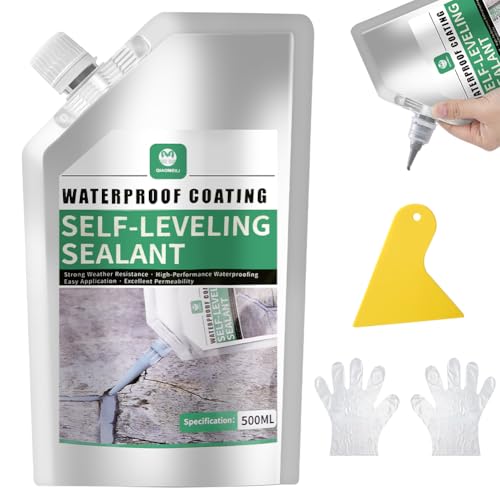
Uneven concrete surfaces can create tripping hazards. To level them, use a self-levelling compound. Prepare the area by cleaning it and applying a primer. Pour the self-levelling compound and spread it evenly. It will settle into a smooth surface once cured.
7. Install Concrete Overlays
Concrete overlays are perfect for covering larger areas of damaged concrete. They can be stamped, stained, or textured to enhance appearance while adding a protective layer. Mix the overlay material as directed and apply it over the entire surface with a squeegee or trowel.
8. Use Polyurethane Sealants
For expansion joints and cracks that require flexibility, polyurethane sealants work best. These sealants provide a waterproof barrier and allow for movement in the concrete. Apply the sealant using a caulking gun, ensuring it fills all gaps.
9. Reinforce with Steel Mesh
For areas prone to cracking, reinforcing with steel mesh can add strength. Before pouring new concrete or a patching compound, lay down steel mesh to help distribute weight and reduce the likelihood of cracking.
10. Regular Maintenance
Finally, regular maintenance is crucial for prolonging the life of your concrete surfaces. This includes sealing the concrete every few years, repairing minor cracks as they appear, and keeping the surface clean. Regular inspections can help you catch issues early before they escalate.