strategies for assessing concrete repair needs in your home
Concrete is a durable and versatile material, making it a popular choice for many household structures. However, over time, even the sturdiest concrete surfaces can develop issues that require attention. Assessing the repair needs of concrete in your home is essential to maintaining its integrity and appearance. Here are some expert strategies to help you evaluate the condition of your concrete surfaces.
Visual Inspection
The first step in assessing concrete repair needs is to conduct a thorough visual inspection. Walk around your home and examine all concrete surfaces, including driveways, patios, walkways, and foundations. Look for cracks, stains, or any sign of wear. Pay particular attention to areas where water might accumulate, as this can exacerbate deterioration. Remember, small cracks can often indicate larger underlying issues.
Use of Moisture Meters
Moisture can significantly affect concrete's longevity and performance. Using a moisture meter can help you assess the moisture content within your concrete surfaces. Elevated moisture levels may indicate poor drainage or leaks from plumbing, which could lead to larger problems if not addressed. Regularly checking moisture can help you catch issues early before they escalate.
People Also Look For:
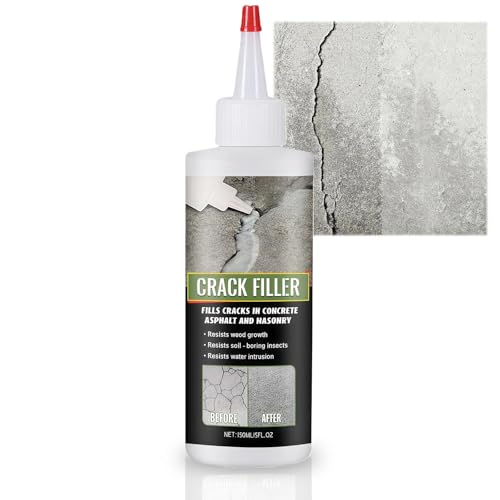
- Crack Filler for Concrete,Asphalt Crack Filler,Heavy-Duty Concrete Crac/k Repair Adhesive,Waterproof Conc/rete Repair Sealant,Conc...
- Transparent Waterproof Sealant 500g,Invisible Waterproof Anti-Leaking Sealant Agent,Super Strong Anti-Leakage Polyurethane Waterpr...
- FOLAI Silicone Sealant Tool Finishing, Caulking Kit 5 in 1, Remover Stainless Head&5 Replace Silicone&4 Grout Scrapers Pads Kitche...
- Transparent Waterproof Sealant Paste,Wall Leak Proof Coating,Waterproof Adhesive Sealant,Super Strong Waterproof Sealant,Suitable ...
- Concrete Crack Filler, 2.65LB High Elasticity Self Leveling Cement Crack Filler, Slab Concrete Waterproof Repair Sealant for Drive...
Check for Uneven Surfaces
Uneven concrete surfaces can pose safety risks and indicate structural issues. Use a level to assess your concrete floors and surfaces. If you find any significant dips or rises, it may be time to investigate further. Unevenness can be caused by settling or erosion, which can compromise the structural integrity of your home.
Evaluate the Age of Your Concrete
Understanding the age of your concrete installations can also inform your assessment. While concrete is designed to last for decades, factors such as the quality of the mix, installation techniques, and environmental conditions can affect its lifespan. If your concrete is over 20 years old, it may require more frequent inspections for cracks and signs of wear.
Look for Spalling and Scaling
Spalling and scaling are common issues that can arise, particularly in colder climates where freeze-thaw cycles are prevalent. Spalling occurs when the surface of the concrete flakes or chips away, while scaling refers to the peeling of the surface layer. Both issues can lead to a compromised surface that may require repair. Inspect surfaces for these signs and consider contacting a professional if they are extensive.
Assessing Structural Components
In addition to surface-level inspections, it is crucial to evaluate the structural components related to your concrete. Check for signs of distress in beams, columns, or any load-bearing elements that connect with the concrete. Look for signs of cracking or bowing, as these can indicate more severe problems that may require professional intervention.
Consultation with Professionals
While DIY assessments are useful, consulting with a concrete repair specialist can provide valuable insights. Professionals have the expertise and tools to conduct a thorough evaluation, identifying issues that may not be visible to the untrained eye. They can also advise on the appropriate repair techniques and materials needed for the job.
Documenting Findings
Finally, keep a detailed record of your assessments. Documenting the condition of your concrete surfaces, including photographs and notes, can help you track changes over time. This documentation can also be invaluable when discussing repair options with a contractor, ensuring you make informed decisions.


![Strucsol Crack Stitch Repair Kit [Heavy Duty] (Medium) x10 b](https://m.media-amazon.com/images/I/51FKYaX2aWL._SL500_.jpg)