step by step guide to maintaining your concrete surfaces
Concrete surfaces are durable and long-lasting, making them a popular choice for patios, driveways, and pathways. However, they require regular maintenance to ensure they remain in good condition and retain their aesthetic appeal. In this guide, we will walk you through the essential steps to maintain your concrete surfaces effectively.
Understanding the Needs of Concrete
Concrete is porous, which means it can absorb water and other contaminants. Over time, this can lead to cracking, staining, and degradation. To maintain your concrete surfaces, it is crucial to understand their needs. Regular cleaning, sealing, and repairs can help prolong their life and keep them looking their best.
Step 1: Regular Cleaning
The first step in maintaining your concrete surfaces is regular cleaning. Dirt, grime, and stains can accumulate over time, making your surfaces look unsightly. Use a broom to sweep away loose debris. For tougher stains, a pressure washer can be effective. If you do not have a pressure washer, a stiff-bristle brush and a mixture of water and mild detergent can work wonders. Scrub the surface and rinse thoroughly with clean water.
People Also Look For:
- Strucsol Crack Stitch Repair Kit [Heavy Duty] (Medium) x10 bar, x5 Resin, x1 Heavy Duty applicator
- Heavy-Duty Concrete Crack Repair Adhesive,Fast-Drying Waterproof Sealant for Slabs,Concrete Sealer,Con/crete Crack Filler,Waterpro...
- Tool Depot® Caulking Kit, Silicone Sealant Finishing Set, Profiling and Sealing Tool for Sink Joint, Bathroom, Floor, Window, K...
- Waterproof Sealant, 2000g Transparent Liquid Waterproof Sealant Invisible Clear Paint for Roofs, Walls, Wood & Terraces - Indoor &...
- Concrete Crack Filler,Heavy-Duty Concrete Crack Repair Adhesive,C-oncrete C-rack Filler Outdoor,Waterproof C-oncrete Repair Sealan...
Step 2: Inspect for Damage
After cleaning, inspect your concrete surfaces for any signs of damage. Look for cracks, chips, or uneven areas. Early detection is key to preventing further deterioration. Small cracks can often be repaired easily, while larger issues may require professional assistance. Take note of any problem areas so you can address them promptly.
Step 3: Repairing Cracks
For minor cracks, you can use a concrete repair caulk or filler. Clean out the crack first, removing any loose debris. Then, apply the filler according to the manufacturer's instructions. For larger cracks, you may need to use a concrete patching compound. Mix the compound as directed and fill the crack, smoothing the surface with a trowel.
Step 4: Applying a Sealant
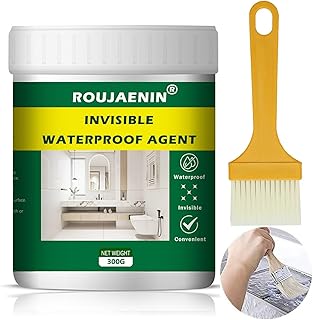
Applying a sealant is an important step in protecting your concrete surfaces from moisture, stains, and wear. Choose a high-quality concrete sealant that is suitable for outdoor use. Before application, ensure the surface is clean and dry. Use a paint roller or sprayer to apply the sealant evenly. Depending on the product, you may need to apply multiple coats, so be sure to follow the manufacturer's recommendations.
Step 5: Seasonal Maintenance
Different seasons can pose unique challenges for concrete surfaces. In winter, ensure that snow and ice are removed promptly to prevent damage. Use a plastic shovel to avoid scratching the surface. In summer, keep an eye on the temperature; extreme heat can cause the concrete to expand, leading to cracks. Regularly check for any signs of wear and tear.
Step 6: Stain Removal
If your concrete surfaces develop stains, prompt action is necessary to prevent permanent discolouration. For oil or grease stains, sprinkle baking soda or sawdust on the area to absorb any excess liquid, then scrub with warm soapy water. For rust stains, a mixture of vinegar and water can be effective, but always test a small area first to ensure it does not damage the surface.
Step 7: Professional Help
If you encounter extensive damage or if the repairs seem beyond your capabilities, do not hesitate to seek professional help. A concrete specialist can assess the condition of your surfaces and recommend the best course of action. Investing in professional maintenance can save you money in the long run by preventing further damage.